
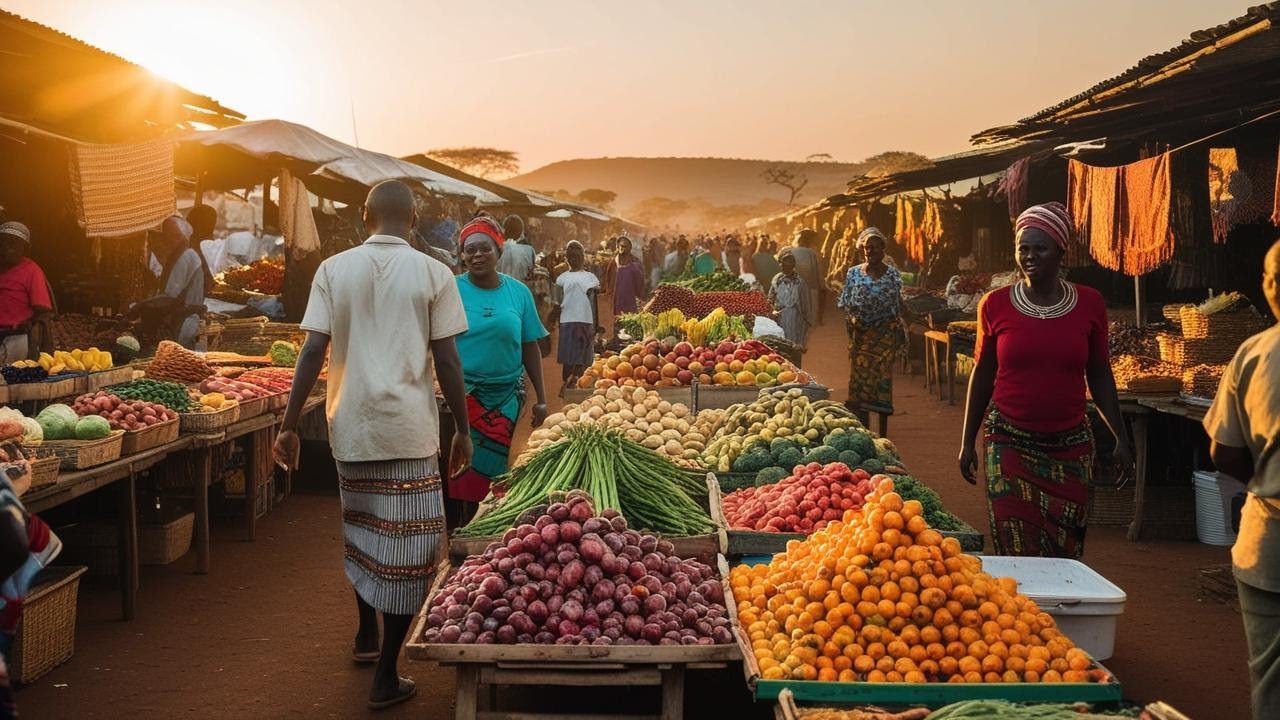
A village market is an essential part of rural life, especially in countries like Bangladesh where agriculture and local trade dominate daily living. A village market composition helps students understand how these markets function as social and economic hubs. It reflects the lifestyle, culture, and simplicity of village people. In rural Bangladesh, village markets are not only places for buying and selling goods but also centers of communication and interaction among villagers. This composition is important for school exams as it develops descriptive writing skills and knowledge about rural environments.
A Village Market Composition of 100 Words
A village market is a busy place in rural areas. It is usually held in an open field or near a road. People come to buy and sell goods like vegetables, fish, rice, and clothes. Farmers bring fresh products, and buyers purchase them at low prices. The market is full of noise and activity. Sellers shout to attract customers, and buyers bargain for better prices. It is also a place where villagers meet and talk. A village market plays an important role in rural life by supporting local trade and communication among people daily.
A Village Market Composition of 150 Words
A village market is a common scene in rural Bangladesh. It is usually located near a river, road, or open field. The market is held either daily or weekly. Many people gather there to buy and sell goods. Fresh vegetables,fish, fruits, rice, and clothes are available. Farmers bring their own products to sell directly to customers.
The market is always lively. Sellers call out loudly to attract buyers. Bargaining is a common practice. People from nearby villages come to the market not only for shopping but also for meeting friends and exchanging news. Though village markets are sometimes crowded and dirty, they are very important. They help farmers earn money and provide fresh goods to villagers at low prices, making them essential for rural life and development.
A Village Market Composition of 200 Words
A village market is a vital institution in rural Bangladesh where people assemble to buy and sell daily necessities. It is generally situated near roads, riverbanks, or open spaces so that villagers can reach it easily. These markets may operate every day or on specific days of the week. A wide variety of goods are available, including fresh vegetables, fish, fruits, rice, spices, clothes, and household items. Farmers usually bring their own produce, ensuring freshness and reasonable prices for buyers. The market environment is very lively, with sellers calling out to attract attention and buyers bargaining actively. People from different villages gather here, making it an important center of social interaction. Friends meet, exchange news, and discuss community issues.
However, village markets often suffer from problems like overcrowding, poor sanitation, and inadequate facilities. Despite these drawbacks, they play a crucial role in supporting the rural economy by creating employment opportunities and promoting local trade. Thus, a village market remains an essential part of village life and culture. It also helps farmers sell products directly without middlemen, ensuring fair income, while villagers get fresh goods at lower prices, making the system beneficial for both producers and consumers in rural areas today.
A Village Market Composition of 250 Words
A village market is a well-known and essential part of rural Bangladesh, serving as a center of trade and social interaction. It is usually located in an open area near roads, rivers, or village centers, making it easily accessible to people from nearby places. These markets may be held daily or weekly, depending on the size and importance of the locality. A village market offers a wide range of goods such as fresh vegetables, fish, fruits, rice, spices, clothes, and household items. Farmers and small traders bring their own products to sell directly to buyers, which ensures freshness and affordability.
The market environment is lively and dynamic, with sellers shouting to attract customers and buyers bargaining for better prices. People from different villages gather here, making it a vibrant social hub where friends meet and exchange news. However, village markets often face problems like overcrowding, lack of sanitation, and poor waste management systems. Despite these challenges, they play a significant role in the rural economy by providing employment opportunities and supporting local businesses.
They also reduce the need for villagers to travel to distant towns for daily necessities. Therefore, a village market is not only a place of buying and selling but also a symbol of rural life, culture, and community unity. It helps maintain traditional practices, strengthens relationships among villagers, and encourages economic stability. Overall, it reflects the simple lifestyle of rural people and remains an indispensable institution in village society for generations even in modern changing times today.
Conclusion
In conclusion, a village market composition is an important topic that reflects the heart of rural life in Bangladesh. It highlights economic activities, social interactions, and cultural practices. Village markets are not just places for trade; they are symbols of community and tradition. Understanding their role helps students appreciate the simplicity and beauty of village life.
FAQs
Q1. What is a village market?
A: A village market is a place in rural areas where people buy and sell goods like vegetables, fish, and daily necessities.
Q2. Where are village markets usually located?
A: They are usually located near roads, rivers, or open fields for easy access.
Q3. What goods are sold in village markets?
A: Goods include vegetables, fish, fruits, rice, spices, clothes, and household items.
Q4. Why is a village market important?
A: It supports rural economy, provides fresh goods, and acts as a social meeting place.
Q5. How often are village markets held?
A: They may be held daily or weekly depending on the location.
Q6. What problems do village markets face?
A: Common problems include overcrowding, poor sanitation, and lack of proper facilities.