

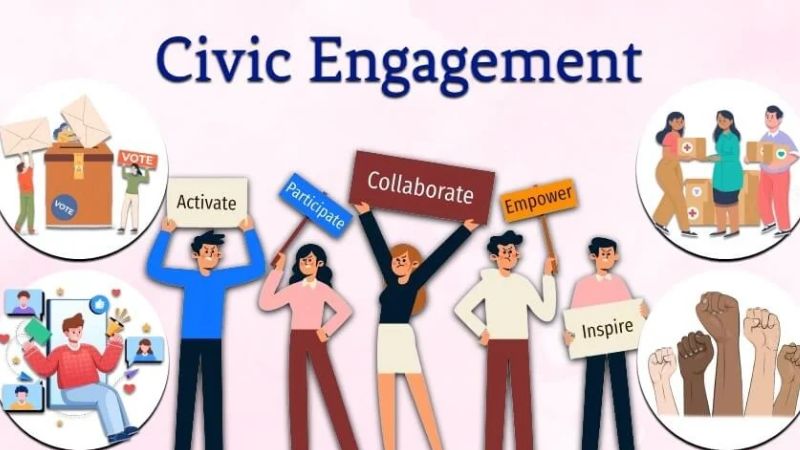
Civic engagement means actively participating in activities that improve society and support community development. It teaches people to understand their rights, fulfil their duties and take responsibility for the problems around them. Voting in elections, helping needy people, volunteering, keeping public places clean and participating in social campaigns are common examples. Civic engagement is not limited to adults; students can also contribute through school activities and community service. These efforts encourage teamwork, social awareness and responsible citizenship. If you need a civic engagement paragraph for a school or college assignment, the following examples will help you understand the topic and write about it easily.
Civic Engagement Paragraph for Class 8
Civic engagement means taking part in activities that help our society. It teaches us to become responsible citizens and care about others. We can practise civic engagement by keeping our surroundings clean, planting trees, helping poor people and following public rules. Students can also participate in school activities, cleanliness drives and charity programmes. These activities teach us kindness, teamwork and respect. Every person can contribute to making society a better place. Small actions, when performed together, can bring positive changes. Therefore, we should understand our duties and help our community whenever possible.
Civic Engagement Paragraph for Class 9
Civic engagement refers to the active participation of people in activities that improve their communities. It is an important part of responsible citizenship because it teaches us about our rights and duties. Voting in elections, volunteering, helping needy people and protecting the environment are common examples of civic engagement. Students can participate by joining school clubs, organising cleanliness drives and spreading awareness about social issues. Such activities develop teamwork, leadership and social responsibility. Civic engagement also supports democracy by allowing citizens to express their opinions and participate in public decisions. Everyone should contribute to solving problems such as pollution, poverty and illiteracy. By working together, we can build a peaceful, healthy and responsible society.

Civic Engagement Paragraph for Class 10
Civic engagement is the active participation of citizens in activities that contribute to the welfare and development of society. It encourages people to understand their rights, fulfil their responsibilities and take an interest in community issues. People can practise civic engagement by voting, volunteering, attending public meetings, supporting social campaigns and protecting the environment.
Students can also contribute through cleanliness drives, tree plantation programmes, charity activities and educational campaigns. These efforts teach them the importance of cooperation and community service. Civic engagement strengthens democracy because it gives citizens an opportunity to express their opinions and take part in decisions that affect their lives. It also encourages people to address problems such as pollution, poverty and poor sanitation. Every individual has a responsibility towards society. Even small efforts can make a difference when people work together for the common good.
Civic Engagement Paragraph for HSC
Civic engagement refers to the active participation of individuals in public and community activities to improve society and address common problems. It is an essential part of responsible citizenship because it connects individual actions with the welfare of the wider community. It includes political participation, community service, volunteering, social activism and public awareness campaigns.
Citizens can contribute by voting in elections, attending public meetings, expressing their opinions and communicating their concerns to elected representatives. They can also support charitable organisations, educational programmes and environmental protection campaigns. Young people can participate through student organisations, community projects and responsible use of digital platforms.
Civic engagement strengthens democracy, promotes social responsibility and encourages cooperation among people. However, a lack of awareness, limited opportunities and social inequalities can prevent participation. Education and community initiatives can help address these problems. Ultimately, every individual has a role in community development. Active participation helps create an informed, inclusive and responsible society.
What Is Civic Engagement?
Civic engagement means taking part in activities that contribute to public welfare and community development. It involves understanding social issues, respecting other people’s rights and taking responsibility for shared problems.
It is not limited to voting or political activities. Helping a neighbour, volunteering at a charity, reporting local problems and participating in environmental campaigns are also forms of civic participation.
Five Examples of Civic Engagement
Here are five common examples of civic engagement in everyday life:
- Voting in elections: Choosing representatives and participating in democratic processes.
- Volunteering: Helping charitable organisations and people in need.
- Community service: Participating in cleanliness drives and local improvement programmes.
- Environmental protection: Planting trees, reducing waste and conserving water.
- Public participation: Attending community meetings and raising concerns about local problems.
These activities show that civic responsibility begins with everyday actions. You do not need a special position to contribute to your community.
Frequently Asked Questions (FAQs)
Q1. Why is civic engagement important?
Civic engagement helps people understand their responsibilities, participate in democracy and work together to solve community problems.
Q2. How can students practise civic engagement?
Students can participate in school clubs, volunteer for social activities, organise cleanliness drives, plant trees and spread awareness about important issues.
Q3. What are the main types of civic engagement?
The main types include political participation, community service, volunteering, social activism, advocacy and digital civic engagement.
Q4. Is helping others considered civic engagement?
Yes. Helping people in need, supporting community programmes and volunteering are all examples of civic engagement because they contribute to public welfare.
Wrapping Up
Civic engagement plays an important role in building a responsible and supportive society. It encourages people to understand their duties, respect others’ rights and participate in activities that benefit their communities. Whether you are a student or an adult, you can contribute through volunteering, helping others, protecting the environment and taking part in public activities. You do not need a special position to make a difference. Small efforts can bring meaningful changes when people work together. A civic engagement paragraph should highlight this message: every individual has a responsibility to contribute to society and help create a better future.