
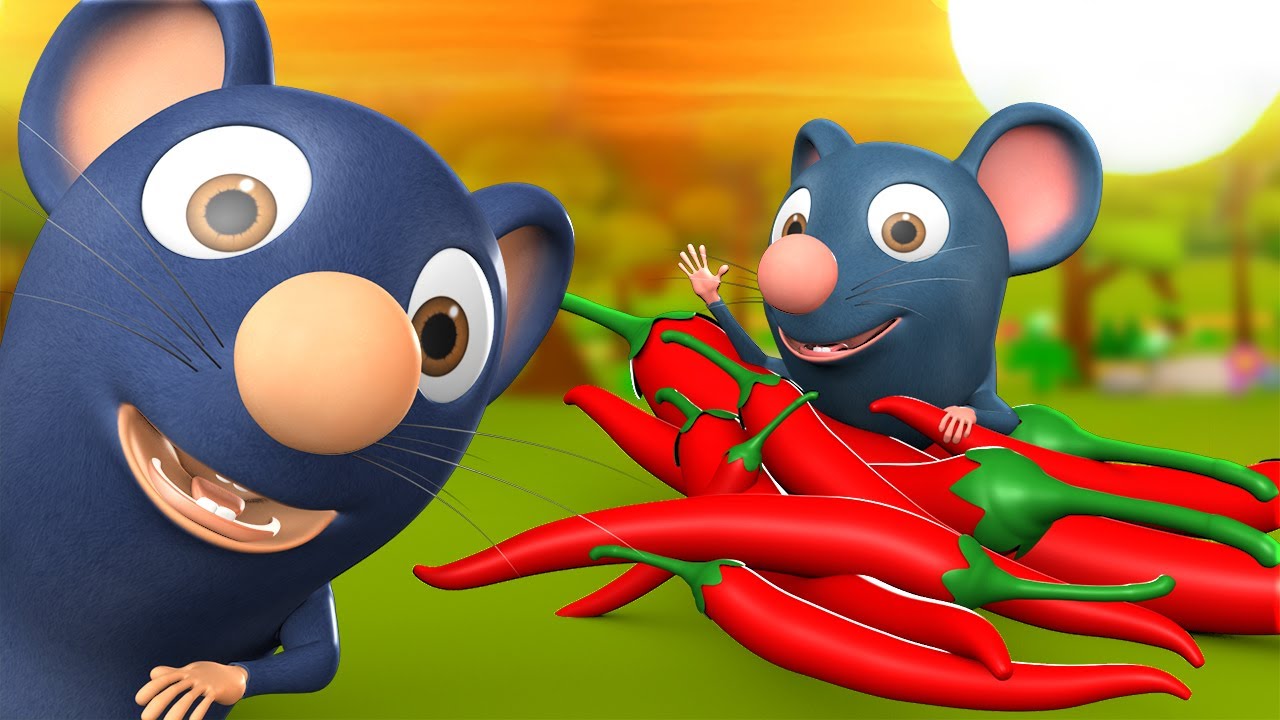
When you read the monkey story, you learn how small arguments can lead to big losses. This story teaches you the value of cooperation and careful thinking. It is simple, yet very meaningful for students of different classes. You can easily relate this story to real-life situations where disagreements create problems. The lesson is clear: if you fail to solve issues wisely, others may take advantage. That is why two rats and the monkey story is widely taught in schools for moral understanding and exam preparation.
Two Rats and The Monkey Story For Class 6-7 (100 Words)
Two rats found a piece of bread. They started arguing about how to divide it equally. Unable to decide, they went to a monkey. The monkey brought a scale and broke the bread into two parts. Seeing one side bigger, he bit a piece to balance it. Then the other side became bigger, so he bit again. He kept doing this until almost nothing was left. Finally, he ate the last piece as his fee. The rats felt sad and realized their mistake.
বাংলা অর্থ (অনুবাদ):
দুটি ইঁদুর একটি রুটির টুকরো পেল। তারা এটি সমানভাবে ভাগ করার জন্য ঝগড়া শুরু করল। সিদ্ধান্ত নিতে না পেরে তারা একটি বানরের কাছে গেল। বানরটি একটি দাঁড়িপাল্লা নিয়ে এল এবং রুটিটিকে দুই ভাগে ভাঙল। এক পাশ বড় দেখে সে সেটি সমান করার জন্য একটি অংশ খেয়ে নিল। তারপর অন্য পাশ বড় হয়ে গেল, তাই সে আবার খেয়ে নিল। সে এভাবে করতে থাকল যতক্ষণ না প্রায় কিছুই বাকি রইল। শেষে সে শেষ টুকরোটিও নিজের পারিশ্রমিক হিসেবে খেয়ে ফেলল। ইঁদুরগুলো দুঃখ পেল এবং তাদের ভুল বুঝতে পারল।
Two Rats and The Monkey Story For Class 8 (150 Words) With Bangla Meaning
Once two rats found a piece of bread and wanted to share it equally. Soon, they began arguing because each thought the other was getting more. Unable to settle the issue, they approached a monkey for help. The monkey agreed and brought a scale to divide the bread fairly.
He split the bread into two parts and placed them on the scale. When one side seemed heavier, he bit a portion from it. Then the other side became heavier, so he bit from that side as well. He continued this process again and again.
Gradually, the bread became smaller and smaller. In the end, only a tiny piece was left. The monkey claimed it as his reward for helping them. The two rats went away disappointed, realizing that their argument had caused the loss.
বাংলা অর্থ (অনুবাদ):
একবার দুটি ইঁদুর একটি রুটির টুকরো পেল এবং সেটি সমানভাবে ভাগ করতে চাইল। শীঘ্রই তারা ঝগড়া শুরু করল, কারণ প্রত্যেকে ভাবছিল অন্যজন বেশি পাচ্ছে। সমস্যার সমাধান করতে না পেরে তারা একটি বানরের কাছে সাহায্য চাইল। বানরটি রাজি হল এবং রুটিটি ন্যায্যভাবে ভাগ করার জন্য একটি দাঁড়িপাল্লা আনল।
সে রুটিটিকে দুই ভাগে ভাগ করে দাঁড়িপাল্লায় রাখল। যখন এক পাশ ভারী মনে হলো, সে সেখান থেকে কিছু খেয়ে নিল। তারপর অন্য পাশ ভারী হয়ে গেল, তাই সে সেখান থেকেও খেয়ে নিল। সে এভাবে বারবার করতে থাকল।
ধীরে ধীরে রুটিটি ছোট হতে থাকল। শেষে একটি ছোট টুকরো বাকি রইল। বানরটি সেটিকে নিজের পুরস্কার হিসেবে নিয়ে নিল। দুটি ইঁদুর হতাশ হয়ে চলে গেল এবং বুঝতে পারল যে তাদের ঝগড়াই তাদের ক্ষতির কারণ।
Two Rats and The Monkey Story For SSC (200 Words) With Bangla Meaning
One day, two rats discovered a piece of bread. At first, they were very happy, but soon a dispute arose regarding equal division. Each rat believed that the other was trying to take a larger share. As the argument grew, they failed to reach any agreement.
Finally, they decided to seek help from a monkey known for solving disputes. The monkey agreed and brought a scale to ensure fairness. He broke the bread into two pieces and placed them on the scale. Observing that one side was heavier, he took a bite from it. However, this made the other side heavier, so he took a bite from that side as well.
The monkey continued this process repeatedly, pretending to make both sides equal. In reality, he was gradually eating the bread. Eventually, only a small piece remained. When the rats asked for it, the monkey refused and claimed it as his fee.
The rats left in sorrow, realizing that their inability to cooperate had led to their loss. They understood that trusting others blindly in conflicts can be harmful.
বাংলা অর্থ (অনুবাদ):
একদিন দুটি ইঁদুর একটি রুটির টুকরো খুঁজে পেল। প্রথমে তারা খুব খুশি ছিল, কিন্তু শীঘ্রই সমান ভাগ নিয়ে বিরোধ শুরু হলো। প্রত্যেক ইঁদুরই ভাবছিল অন্যটি বড় অংশ নিতে চাইছে। ঝগড়া বাড়তে থাকলে তারা কোনো সমাধানে পৌঁছাতে পারল না।
অবশেষে তারা বিরোধ মেটানোর জন্য একটি বানরের কাছে সাহায্য চাইল। বানরটি রাজি হলো এবং ন্যায্যতা নিশ্চিত করতে একটি দাঁড়িপাল্লা আনল। সে রুটিটিকে দুই ভাগে ভাগ করে দাঁড়িপাল্লায় রাখল। এক পাশ ভারী দেখে সে সেখান থেকে একটি কামড় দিল। কিন্তু এতে অন্য পাশ ভারী হয়ে গেল, তাই সে সেখান থেকেও কামড় দিল।
বানরটি এভাবে বারবার করতে থাকল, যেন দুই পাশ সমান করছে। বাস্তবে, সে ধীরে ধীরে পুরো রুটিটিই খাচ্ছিল। শেষে একটি ছোট টুকরো বাকি থাকল। ইঁদুরগুলো সেটি চাইলে বানরটি অস্বীকার করল এবং সেটিকে নিজের পারিশ্রমিক হিসেবে নিল।
ইঁদুরগুলো দুঃখিত হয়ে চলে গেল এবং বুঝতে পারল যে তাদের সহযোগিতা করতে না পারার কারণেই তারা ক্ষতিগ্রস্ত হয়েছে। তারা আরও বুঝল যে বিরোধের ক্ষেত্রে অন্ধভাবে অন্যের উপর বিশ্বাস করা ক্ষতিকর হতে পারে।
Conclusion
In conclusion, two rats and the monkey story teaches you a strong lesson about cooperation and wise decision-making. When you argue without thinking, you may invite problems. The two rats lost everything because they could not settle their issue peacefully. The monkey took advantage of their weakness. This shows that you should try to solve problems on your own with patience and understanding. Trusting others blindly in disputes can lead to loss. Therefore, always think carefully and work together to avoid unnecessary trouble.
FAQs
Q1. What is the moral of the monkey story?
The moral is that you should solve your problems wisely and avoid trusting others blindly.
Q2. Why did the rats lose their bread?
They lost it because they argued and depended on the monkey to divide it.
Q3. What does the monkey represent?
The monkey represents a clever but selfish individual who takes advantage of others.
Q4. Why is this story important for students?
It teaches moral values, cooperation, and problem-solving skills.
Q5. How can you apply this story in real life?
You can apply it by solving conflicts calmly and not depending on others unnecessarily.