

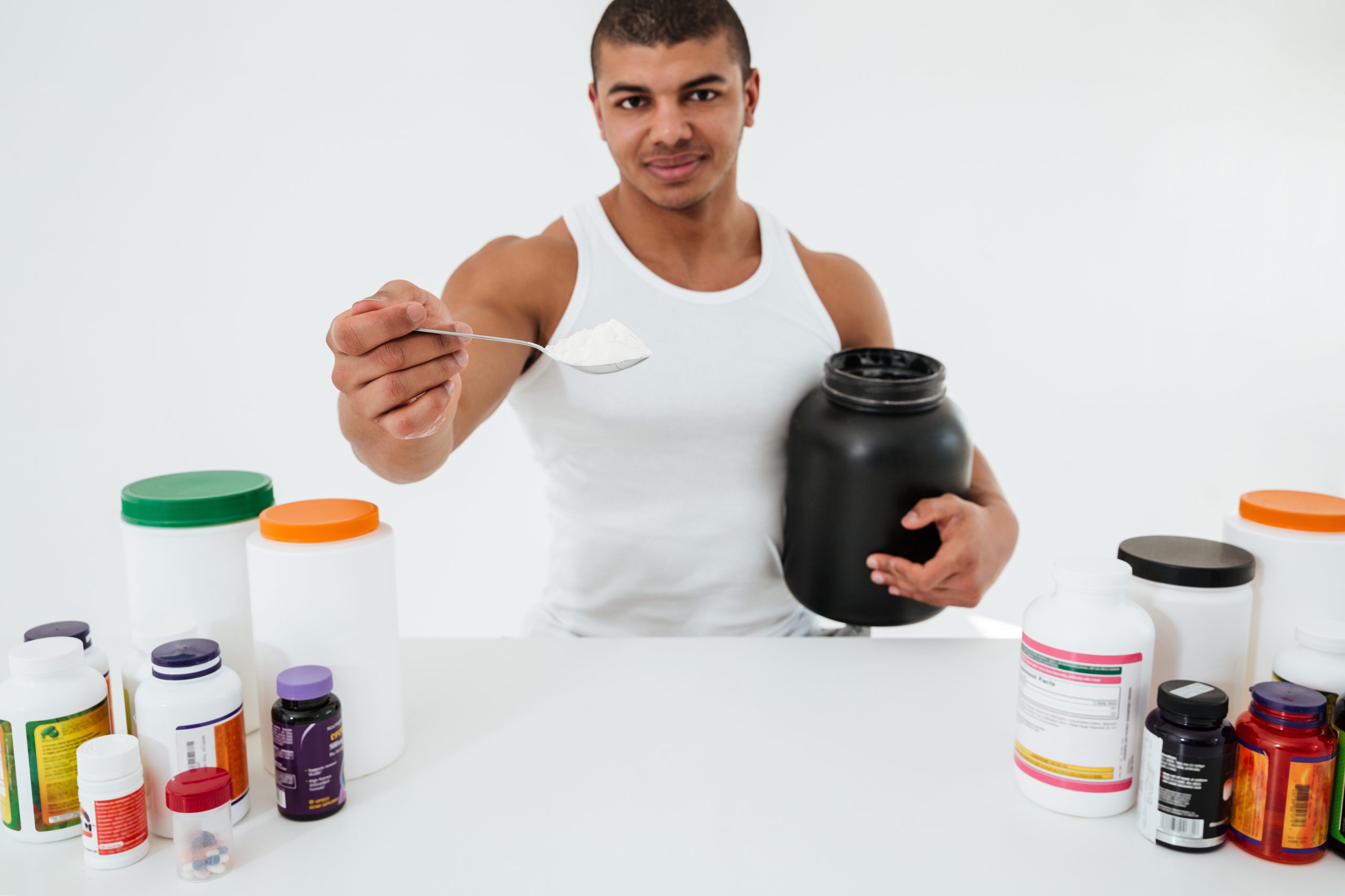
Liquid pre workout for energy, focus, and performance has grown from a niche supplement format into a mainstream option for professionals and athletes who need fast, reliable stimulation without the wait. This article explains what sets liquid pre-workouts apart, breaks down the key ingredients that drive results, and offers practical guidance on choosing and using them safely, so they can make an well-informed choice that aligns with their goals.
What Makes Liquid Pre-Workouts Different From Powders And Pills
Liquid pre-workout formulas differ from powders and pills in three meaningful ways: absorption kinetics, formulation constraints, and user experience. Liquids bypass the reconstitution step required by powders and remove the need to swallow multiple capsules, offering ready-to-drink convenience.
Faster absorption is the chief technical difference. When ingredients are dissolved, stomach-emptying and intestinal uptake frequently occur more rapidly than with dry powders that need to rehydrate, or capsules that require dissolution. That faster uptake can translate into a quicker onset of effects, useful for someone who decides to work out on a lunch break or wants cognitive alertness before a late-night outreach session.
Formulation constraints also shape liquids. Some active ingredients degrade or clump in powdered blends: liquid manufacturers use solvents, stabilizers, and pH adjustments to keep actives bioavailable. That makes certain nootropics and stimulants more effective in liquid delivery, but it also requires careful formulation to ensure stability and palatability.
Finally, the user experience differs. Liquids are portable, measured doses in single-use shots or small bottles, reducing fuss and spillover. That convenience is attractive for professionals who travel for conferences or split time between client calls and gym sessions. But, taste, texture, and shelf life vary widely across products, so not all liquid pre-workouts feel the same in practice.
Key Ingredients And How They Support Energy, Focus, And Performance
Liquid pre-workouts combine stimulants, nootropics, and ergogenic agents to deliver energy, cognitive clarity, and muscular performance. Understanding the common ingredient groups helps buyers match a product to their priorities.
– Common Stimulants And Nootropics (Caffeine, L-Theanine, Tyrosine)
Caffeine is the backbone of most energy blends, acting quickly to increase alertness, reduce perceived effort, and mobilize fatty acids. In liquids, caffeine often appears as caffeine anhydrous or an extract: dosages typically range from 75–300 mg per serving depending on intended intensity. L-Theanine pairs with caffeine to smooth the stimulant edge, promoting focused calm and reducing jitteriness. Theanine in a ~2:1 ratio with caffeine has robust human data showing improved attention without overstimulation. Tyrosine, an amino acid precursor to dopamine and norepinephrine, supports cognitive resilience under stress and is popular in formulas aimed at high-focus tasks.
– Performance And Pump Agents (Creatine, Citrulline, Beta-Alanine)
For athletes who want both cognitive and physical benefits, liquid pre-workouts often include creatine, citrulline, and beta-alanine. Creatine supports short-burst power and can be effective even in smaller daily doses: liquid delivery can complement a loading strategy or serve as a maintenance dose. Citrulline (usually as citrulline malate) boosts nitric oxide production and improves blood flow, enhancing the “pump” and endurance. Beta-alanine buffers muscle acidity, delaying fatigue during high-intensity efforts: it also produces the familiar tingling sensation many users associate with potent pre-workouts. The challenge in liquids is solubility and taste, manufacturers balance concentrations so these actives remain effective without an unpalatable flavor.
– Absorption Enhancers And Solvents Specific To Liquid Formulas
Liquid formulations use solvents, carriers, and absorption enhancers such as glycerin, medium-chain triglycerides (MCT) oils, and certain surfactants to keep ingredients in solution and improve uptake. Bioperine (black pepper extract) is a common addition to enhance absorption of some compounds. pH adjustment agents and preservatives extend shelf life but can influence tolerance for sensitive users. These excipients are why liquids can produce faster effects but also why label transparency matters, users should know what’s in the solvent system, especially if they have allergies or sensitivities.
Benefits Of Liquid Pre-Workouts: Fast Absorption, Convenience, And Dosing
Liquid pre-workouts offer tangible advantages for time-crunched professionals and active marketers who need consistent, on-demand performance boosts.
- Fast onset: Liquids typically act faster than powders or capsules. That immediacy is valuable when schedules are tight, someone can take a shot before a quick gym session or an important strategy meeting and expect effects within 10–20 minutes.
- Precise dosing: Single-serve bottles remove guesswork. For teams that prefer standardized protocols (for instance, consistent caffeine intake across multiple workouts), pre-measured liquids simplify tracking.
- Portability and convenience: The compact format suits travel, conferences, and hybrid workdays. No mixing shaker bottles or measuring scoops, just open and consume.
- Palatability and variety: Many brands flavor liquids intensely to mask bitter actives: that can be an advantage for users who dislike chalky powders. Conversely, flavoring increases sugar or artificial sweetener content, so users should read nutritional labels.
Overall, liquids are a practical option when speed and simplicity matter.
How To Choose The Right Liquid Pre-Workout For Your Goals
Selecting the right liquid pre-workout starts with aligning ingredients to goals, then evaluating transparency and practical factors.
– Match Ingredients To Your Priority: Energy Versus Cognitive Versus Endurance
If energy is the primary goal, look for straightforward stimulant-based formulations with specified caffeine amounts. For cognitive work, long audits, outreach campaigns, or creative strategy, prioritize blends containing L-theanine, tyrosine, and nootropic compounds that support sustained attention. For endurance and gym performance, look for citrulline, beta-alanine, and an effective creatine dose. Many formulas try to be “everything to everyone,” but a focused match will deliver better outcomes.
– Assess Stimulant Levels, Serving Size, And Transparency Of Labeling
Transparency matters. Reputable brands list exact dosages rather than proprietary blends. Check caffeine per serving and whether serving sizes are concentrated shots or meant to be split. For an agency owner sensitive to midday jitters, a moderate caffeine dose (100–150 mg) paired with L-theanine may be preferable to a high-stimulant shot.
– Practical Considerations: Taste, Portability, And Cost Per Serving
Taste and aftertaste impact adherence, no one wants to choke down a daily shot. Portability matters if the team travels. Finally, evaluate cost per serving relative to ingredient quality: an inexpensive product with low actives won’t deliver results, while a premium shot with verified dosages can be a cost-effective productivity tool when used strategically.
Safe Use, Timing, And Stacking Recommendations
Responsible use maximizes benefits while minimizing risks. This section outlines timing, contraindications, and sensible stacking strategies.
– Recommended Timing And Typical Serving Protocols
Liquids often act quickly, so a common recommendation is to consume 10–30 minutes before activity. If using for cognitive tasks, a 15–20 minute lead-in gives time for alertness to rise. Users who are stimulant-sensitive should start with half a serving to assess tolerance.
– Interaction Risks, Contraindications, And When To Avoid Use
Liquid pre-workouts can interact with medications and exacerbate cardiovascular conditions due to stimulants. People with hypertension, arrhythmias, pregnancy, or known sensitivities to stimulants should consult a healthcare professional before use. Combining multiple stimulant sources (energy drinks, strong coffee, some cold medicines) increases risk of overstimulation. Also, watch for hidden sugars or sugar alcohols if glycemic control is a concern.
– Smart Stacking With Creatine, Protein, And Caffeine Cycling
Stacking liquids with a daily creatine routine is simple: liquids can provide maintenance doses while a separate powdered creatine monohydrate serves as the primary loading/maintenance strategy. Pairing a liquid pre-workout with a post-workout protein or BCAA shake supports recovery without interfering with absorption. For long-term tolerance management, practitioners recommend caffeine cycling, periods of reduced consumption, to maintain sensitivity and effectiveness. That’s especially useful for professionals who rely on stimulants for both workout and cognitive work.
Comparing Liquid Pre-Workouts To Alternatives: When They Make Sense
Liquid pre-workouts aren’t universally superior, each format has trade-offs.
Choose liquid when speed, convenience, and consistency matter: last-minute gym sessions, travel days, or when a precise, ready-to-drink dose is preferred. Powders win on cost per serving and flexibility for mixing higher doses of pump agents: capsules are discreet and often lower in flavor additives.
Eventually, the decision hinges on priorities: portability and fast onset (liquid), affordability and customization (powder), or discretion and simplicity (pills). Combining formats is also reasonable, use powders for regular, planned training and liquids for ad-hoc boosts.
Conclusion
Liquid pre-workout for energy, focus, and performance offers a practical, fast-acting option for people who value convenience and predictability, qualities that resonate with busy marketers, agency leads, and ecommerce operators balancing professional demands with training. They stand out for quick absorption, precise dosing, and portability, but require attention to label transparency, stimulant content, and ingredient quality. When selected and used responsibly, aligned to whether priority is energy, cognition, or endurance, liquid pre-workouts can be a useful tool in a broader productivity and performance strategy. For teams that manage high-stakes client work and tight schedules, a well-chosen liquid shot can bridge the gap between a long day at the desk and an effective training session, without adding complexity to routines.