
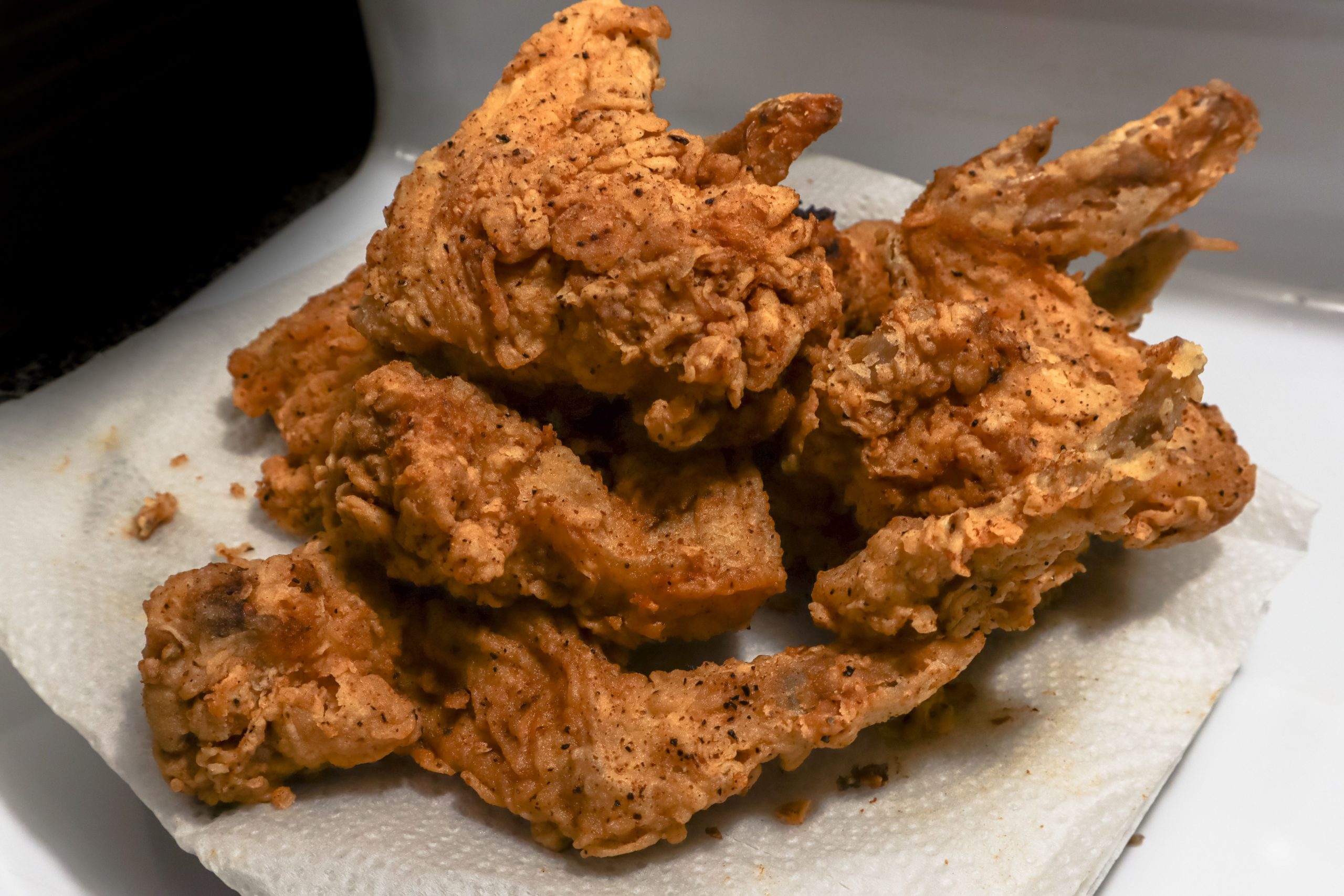
There’s a point in almost every home cook’s journey when you stop blaming the recipe.
It’s a subtle shift. At first, every disappointing meal feels like your fault. Maybe you cooked the chicken a little too long. Maybe the marinade needed more time. Maybe you added one teaspoon too much of a particular spice.
So you tweak the recipe. You watch another YouTube video. You buy a new non-stick pan because someone said it distributes heat more evenly. You start timing everything down to the minute.
And then one day, you cook the exact same dish with better ingredients.
Nothing else changes.
That’s when you realise that becoming a better cook isn’t always about learning new techniques. Sometimes, it’s about giving yourself something better to work with.
We Spend a Lot of Time Learning Recipes—Very Little Time Learning Ingredients
When people decide they want to cook more at home, they usually focus on recipes.
They save Instagram reels. They subscribe to cooking channels. They buy spice blends they’ve never heard of before. Some even invest in expensive cookware, convinced that the right pan or knife will unlock restaurant-quality food.
Very few people stop to think about the ingredient itself.
Chicken, especially, gets treated as a constant.
It’s just… chicken.
Whether you’re making butter chicken on a Sunday afternoon, grilling chicken breasts after work, or tossing together a quick stir-fry, the assumption is that the recipe determines the outcome.
But after cooking regularly for a few years, I’ve realised that’s only part of the story.
The ingredient has a much bigger say than we often give it credit for.
The Recipe Stayed the Same. The Results Didn’t.
I remember making lemon herb chicken almost every other week.
It wasn’t particularly fancy. Olive oil, garlic, lemon zest, a little rosemary, black pepper, and salt. It took less than thirty minutes from start to finish, which made it perfect for busy weekdays.
Some weeks it turned out beautifully.
The chicken browned evenly, stayed juicy, and carried the flavour of the herbs without feeling heavy.
Other weeks, the exact same recipe felt strangely disappointing.
The chicken released a surprising amount of water into the pan. Instead of searing, it started steaming. The texture became softer than expected, and the seasoning somehow felt muted.
I blamed myself for months.
I thought I had become careless.
Only later did I realise that nothing about my cooking had changed.
The chicken had.
Good Chicken Behaves Differently
One of the biggest surprises for me was discovering that quality isn’t always something you taste immediately.
Sometimes, you notice it in the cooking itself.
When you order chicken from the best website (my personal favourite is Meatigo), it behaves differently from the moment it touches the pan.
It holds its shape better. It develops colour instead of simply turning pale. It doesn’t flood the pan with excess moisture. It absorbs marinades evenly and cooks predictably.
That predictability changes everything.
Instead of constantly adjusting the flame or extending the cooking time, you start trusting the process.
And when you trust the process, cooking becomes far more enjoyable.
Why Texture Matters More Than We Realise
Most conversations around chicken focus on flavour.
But texture is often what separates an average meal from a memorable one.
Think about the last restaurant meal you genuinely enjoyed.
The chicken probably wasn’t drowning in spices. In many cases, it was actually seasoned quite simply.
What made it satisfying was the texture.
Tender without feeling soft.
Juicy without being watery.
Firm enough to bite into, but never dry.
Achieving that at home has less to do with culinary expertise than many people assume.
It begins with the ingredient.
Chicken that has been handled carefully and stored properly retains its natural structure. That means it responds better to heat, cooks more evenly, and gives you a wider margin for error.
That’s incredibly reassuring when you’re cooking after a long workday and don’t have the patience to monitor every minute.
The Invisible Journey Before Your Kitchen
One thing I rarely thought about when I first started cooking was everything that happened before the chicken reached my chopping board.
It’s easy to imagine that buying chicken is a single transaction.
In reality, it’s the final step in a much longer chain.
The chicken has already been processed, transported, stored, handled, packaged—or in some cases displayed openly for hours—before you ever see it.
Every stage influences the final product.
Temperature fluctuations, repeated handling, inconsistent refrigeration, and delays in transportation don’t always make chicken unsafe, but they do affect quality.
The result shows up later in ways that are easy to miss.
It cooks differently.
It absorbs flavour differently.
Sometimes it simply feels… less satisfying.
Why More Home Cooks Are Paying Attention to Where They Buy Chicken
Over the last few years, I’ve noticed a quiet shift among friends who cook regularly.
Conversations have changed.
People no longer ask only for recipes.
They ask where you bought the chicken.
That question would’ve sounded unusual a decade ago.
Today, it feels perfectly normal.
As more people started to order chicken online in India, they realised that consistency matters just as much as convenience.
Being able to receive properly packed, clearly labelled chicken without wondering about its handling gives home cooks something surprisingly valuable:
Confidence.
Not confidence in the platform.
Confidence in the meal they’re about to cook.
Better Ingredients Make Simpler Cooking Possible
One unexpected benefit of consistently good chicken is that it changes how much you feel the need to do.
You stop chasing flavour through complexity.
Instead of twelve spices, maybe six are enough.
Instead of marinating overnight every single time, an hour often works.
Instead of masking the ingredient, you begin highlighting it.
The meal feels lighter.
Cleaner.
More balanced.
Ironically, buying better chicken often means becoming a simpler cook.
Finding Consistency Instead of Perfection
While exploring different options, I realised that what I was really looking for wasn’t the “best” chicken.
I was looking for consistency.
When people search for the best websites to order chicken online, they’re often trying to solve exactly that problem.
They want chicken that behaves the same way every week.
One platform that consistently came up in conversations was Meatigo. After trying it myself, what stood out wasn’t a dramatic difference or a flashy presentation. It was the reliability. The cuts were uniform, the packaging felt thoughtfully done, and the quality remained consistent from one order to the next.
That predictability allowed me to stop troubleshooting ingredients and start enjoying cooking again.
Looking Back, the Biggest Upgrade Wasn’t My Cooking
It’s funny how often we chase improvement in the wrong places.
We buy expensive knives.
We collect recipes we’ll never make.
We convince ourselves that better cooking always requires learning something new.
Sometimes it doesn’t.
Sometimes improvement begins much earlier—before the chopping board, before the stove, before the recipe.
It begins with choosing ingredients that make cooking easier instead of harder.
Conclusion
For a long time, I believed that becoming a better cook meant becoming more skilled.
Now I think it means becoming more observant.
Paying attention to how ingredients behave, where they come from, and how consistently they perform has probably improved my cooking more than any recipe ever has.
The biggest surprise wasn’t discovering a better way to cook chicken.
It was discovering that better chicken quietly made me a better cook.