

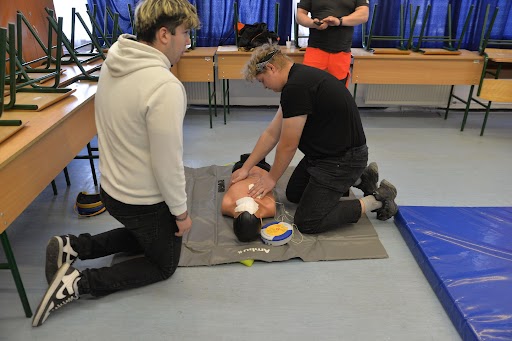
Emergencies often happen when people least expect them. Whether it is a medical crisis, an accident, or another urgent situation, the first few moments can be critical. While professional emergency responders play an important role, the actions taken by bystanders before help arrives can significantly impact the outcome.
Many people worry they will not know what to do when faced with an emergency. Fortunately, preparation and basic knowledge can go a long way toward increasing confidence and improving response times. Understanding a few key principles can help anyone become better equipped to assist during stressful and potentially life-threatening situations.
Recognizing an Emergency Quickly
One of the most important aspects of responding to emergencies is recognizing that a problem exists. Some emergencies are obvious, such as a person collapsing, a severe injury, or a car accident. Others may be less noticeable at first and require careful observation of symptoms or unusual behavior.
People should pay attention to signs that indicate someone may need immediate assistance. Difficulty breathing, loss of consciousness, severe bleeding, chest pain, sudden confusion, and seizures are all examples of situations that may require urgent action. Recognizing these warning signs early allows for a faster response and can improve the chances of a positive outcome.
It is also important to trust instincts when something does not seem right. Even if a person is unsure whether an emergency exists, it is generally better to seek help and have professionals assess the situation than to ignore potential warning signs.
Staying Calm During a Crisis
Remaining calm is often easier said than done during an emergency. Fear, stress, and uncertainty can make it difficult to think clearly. However, maintaining composure is essential because panic can interfere with effective decision-making.
Taking a deep breath and focusing on the situation can help individuals stay organized. A calm responder is better able to assess what is happening, communicate with others, and follow appropriate procedures. Remaining focused also helps reassure the person experiencing the emergency and those nearby.
Practicing emergency response skills ahead of time can make it easier to remain calm under pressure. Familiarity with emergency procedures often increases confidence and reduces hesitation when quick action is needed.
Calling for Professional Help
One of the first steps in many emergencies is contacting emergency services. Professional responders have the training, equipment, and resources necessary to manage serious situations. The sooner they are notified, the sooner they can begin providing assistance.
When speaking with emergency dispatchers, it is important to provide clear and accurate information. This includes the location of the emergency, the nature of the problem, and any immediate dangers that may be present. Staying on the line and following instructions can help ensure the most appropriate response.
Many dispatchers are trained to provide guidance before responders arrive. Listening carefully and following their directions can help bystanders provide effective assistance while waiting for professional help to reach the scene.
Basic Emergency Response Skills Matter
Learning emergency response techniques provides valuable tools that can be used when professional help is not immediately available. Even basic knowledge can help stabilize a situation until more advanced care arrives. These skills are useful in homes, workplaces, schools, and public settings.
Training programs often teach participants how to recognize emergencies, provide initial assistance, and support individuals experiencing medical distress. These lessons help people develop confidence and improve their ability to act quickly under pressure. The practical nature of the training makes it relevant for individuals from all walks of life.
Many people choose to pursue bls certification because it provides instruction in essential lifesaving techniques and emergency response procedures. The knowledge gained through formal training can help individuals feel better prepared to handle critical situations when every second matters.
Effective Communication During Emergencies
Communication plays a vital role during any emergency response. Clear communication helps coordinate assistance, reduces confusion, and ensures that important information is shared with responders and bystanders. Miscommunication can delay help or create unnecessary challenges.
When multiple people are present, assigning specific tasks can improve efficiency. One person may contact emergency services while another assists the individual in distress. Clear instructions help prevent duplication of effort and ensure important responsibilities are addressed.
Conclusion
Responding to emergencies is a responsibility that can affect anyone regardless of age, profession, or background. Understanding how to recognize emergencies, remain calm, contact professional help, and prioritize safety can make a meaningful difference when critical situations arise.
While no one hopes to encounter an emergency, being prepared provides valuable peace of mind. Learning essential response skills and maintaining a commitment to preparedness helps individuals protect themselves, assist others, and contribute to safer communities. The knowledge gained today may become invaluable when faced with an unexpected crisis in the future.