

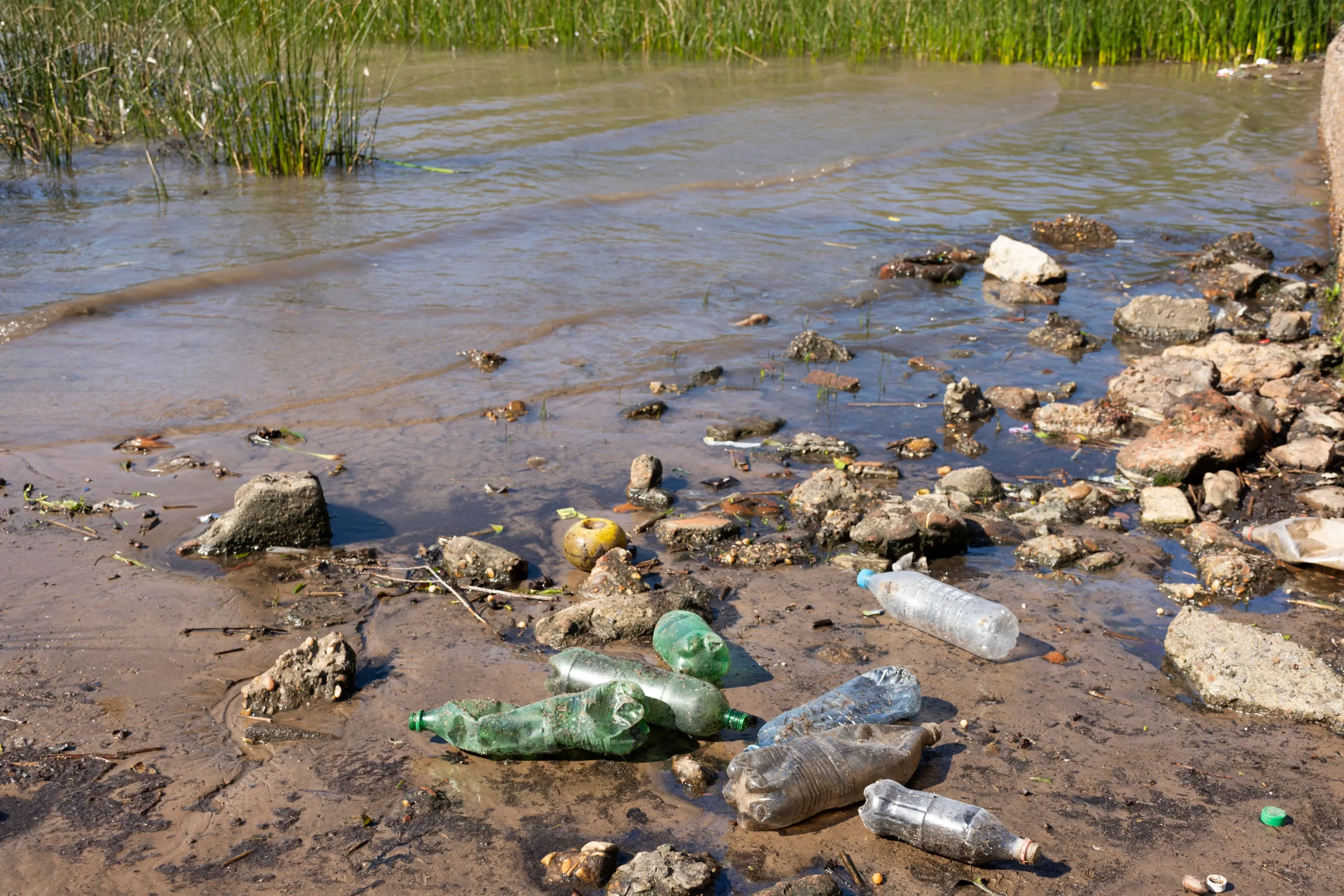
Water pollution is one of the most serious environmental challenges facing Bangladesh today. As students prepare for school exams, understanding how to write a water pollution paragraph is essential. This topic is commonly included in the syllabus of Classes 6 to 10 and often appears in both English and Science exam papers. In this article, we will explain the concept of water pollution, its causes, effects, and solutions, while also providing ready-to-use paragraphs of 100, 150, 200, and 250 words to help you score better in your examinations.
What is Water Pollution?
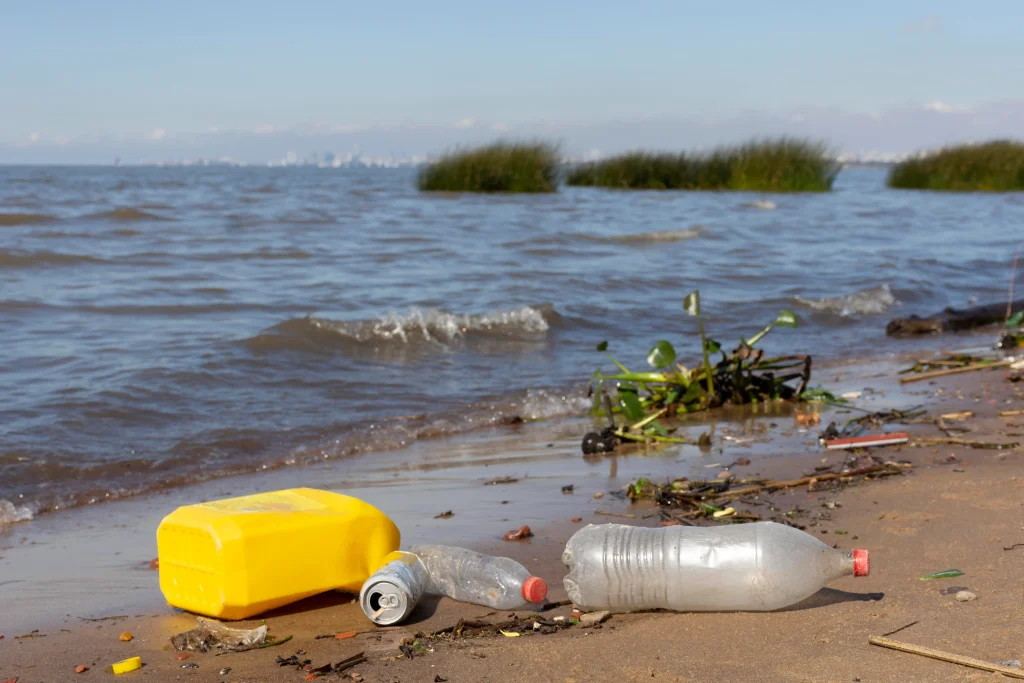
Water pollution refers to the contamination of natural water bodies such as rivers, ponds, lakes, and oceans with harmful substances. These pollutants can come from industrial waste, household garbage, agricultural chemicals, and untreated sewage. In Bangladesh, water pollution is especially serious due to overpopulation, lack of proper waste management, and the discharge of pollutants into rivers like the Buriganga, Shitalakshya, and Turag.
Water pollution paragraph writing is important in school exams because it helps students develop awareness and responsibility toward the environment. Additionally, learning about water pollution encourages students to participate in community efforts to protect our water sources.
Causes and Effects of Water Pollution in Bangladesh
Bangladesh faces severe challenges related to water pollution. The main causes include:
- Industrial waste: Factories often discharge chemicals directly into nearby rivers without treatment. Textile dyeing and tanning industries are especially harmful.
- Agricultural runoff: The use of fertilizers and pesticides in farming leads to runoff during rains, polluting canals and ponds.
- Household garbage: In both urban slums and rural villages, waste is thrown into rivers, ponds, or open drains.
- Sewage: Lack of a proper sewage system in many parts of Bangladesh means human waste enters the water directly.
These causes lead to serious effects:
- Waterborne diseases like cholera, diarrhea, and dysentery are widespread, especially among children.
- Fish and other aquatic animals die in large numbers, reducing food sources and harming biodiversity.
- Poor water quality affects agriculture and reduces irrigation efficiency.
Understanding these causes and effects will help you write a more effective water pollution paragraph in your school exams. It is also important to include realistic and country-specific examples to make your writing more relatable.
Water Pollution Paragraph of 100 Words
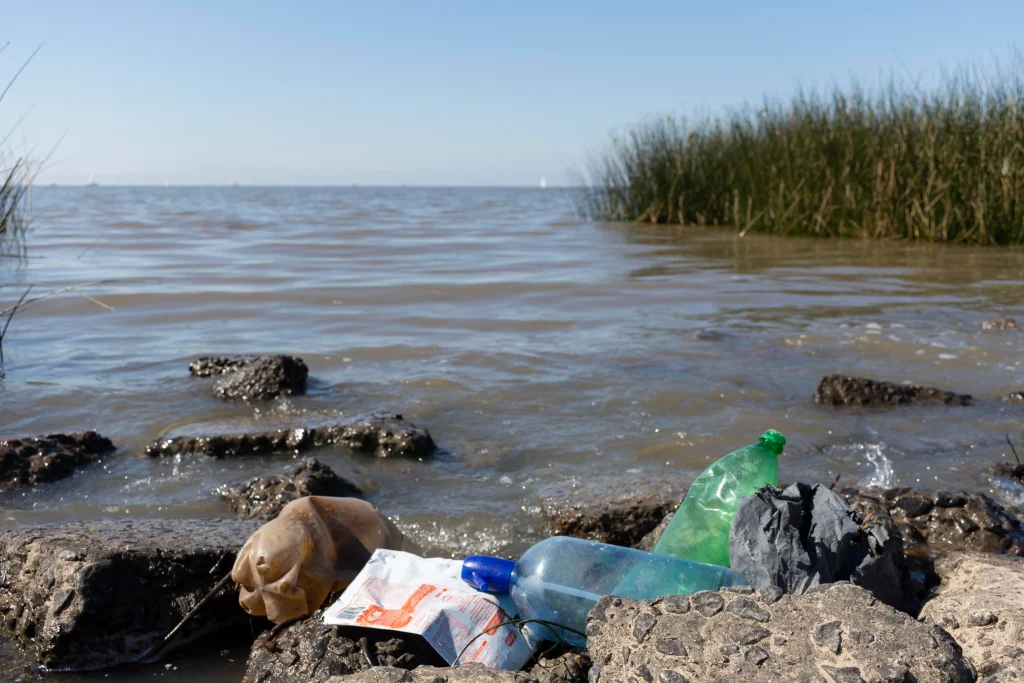
Water pollution means the contamination of water bodies like rivers, ponds, and lakes. In Bangladesh, water is polluted by industrial waste, household garbage, and agricultural chemicals. Many factories throw dirty water and harmful chemicals into rivers. This kills fish and other aquatic animals. People who drink or use polluted water suffer from diseases like diarrhea and cholera. The Buriganga River near Dhaka is badly polluted. We must not throw waste into rivers and ponds. We should raise awareness and follow laws to protect water. If we do not act now, we will face a serious water crisis in the future.
Water Pollution Paragraph of 150 Words
Water pollution is a major problem in Bangladesh. It happens when dirty substances mix with water and make it unsafe for use. Factories, especially in Dhaka and Chittagong, release untreated chemicals into rivers like the Buriganga and Shitalakshya. Farmers use pesticides that flow into ponds and canals during rain. People throw household waste directly into water bodies. As a result, water becomes dangerous for drinking, cooking, and farming. Many poor people in slums and villages get sick from polluted water. It causes diarrhea, typhoid, and skin diseases. Fish die, and irrigation also becomes difficult. To stop water pollution, we must manage waste properly, use eco-friendly farming methods, and build treatment plants. Awareness programs in schools and communities are also important. If we all take steps together, we can keep our water clean and safe for the future.
Water Pollution Paragraph of 200 Words
Water pollution is one of the most serious environmental issues in Bangladesh. It means making water bodies like rivers, lakes, and ponds dirty and unsafe. The main causes of water pollution in our country include industrial waste, household garbage, chemical fertilizers, and untreated sewage. In places like Hazaribagh, tanneries release toxic chemicals directly into rivers. Farmers use harmful pesticides that mix with water during rainfall. Poor waste management in cities adds to the problem. Polluted water is not just harmful to nature but also to people. Many children suffer from stomach infections and waterborne diseases like cholera and dysentery. Fish and aquatic animals die, affecting food supply and biodiversity. Moreover, farmers cannot use polluted water for irrigation, which affects crop production. To solve this issue, we must raise awareness, improve waste disposal systems, and enforce strict environmental laws. Schools should educate students about this issue through activities and posters. Every citizen must avoid throwing waste into water and help clean the surroundings. Only by working together can we save our rivers and ponds from pollution and ensure a healthy future for all.
Water Pollution Paragraph of 250 Words
Water pollution refers to the mixing of harmful substances with natural water sources such as rivers, ponds, lakes, and canals. In Bangladesh, it is a growing problem, especially in urban areas like Dhaka and Chittagong. Factories discharge chemicals and dyes directly into rivers without any treatment. People throw waste, plastic, and sewage into nearby water bodies. Farmers also use fertilizers and pesticides that wash into ponds and canals during the monsoon. These pollutants make the water harmful for human use. Drinking polluted water causes many diseases including diarrhea, typhoid, skin infections, and even cancer in severe cases. Fish and other aquatic life die, affecting food chains and livelihoods. Farmers find it hard to irrigate crops with dirty water, leading to reduced harvests. Children and the elderly are most at risk. To fight this problem, the government must make strict laws to prevent illegal dumping of waste. Industrial areas should install water treatment plants. Communities must be educated about the importance of clean water. Schools can organize cleanliness campaigns and eco-clubs to involve students. Everyone, including students, should avoid throwing plastic or garbage into rivers or drains. Clean water is our right and responsibility. If we all act together, we can reduce water pollution and protect our environment for future generations.
Conclusion
In conclusion, water pollution paragraph writing is not only important for school exams in Bangladesh but also for raising awareness about a serious national issue. Water pollution affects our health, environment, and future. By understanding its causes, effects, and solutions, students can contribute to creating a cleaner, safer society. Whether through essays, discussions, or real-life actions, everyone has a role to play in reducing pollution. Clean water is a basic right, and protecting it is a shared responsibility. Let us all work together to preserve our rivers, ponds, and lakes for ourselves and future generations. Small actions today can create a big difference tomorrow.
FAQs
Q1: What is water pollution?
A: Water pollution is the contamination of water bodies like rivers and ponds with harmful substances such as chemicals, waste, and sewage.
Q2: Why is water pollution a serious issue in Bangladesh?
A: In Bangladesh, industrial waste, poor waste disposal, and agricultural runoff are major contributors to water pollution, affecting health and the environment.
Q3: What are some diseases caused by water pollution?
A: Diseases like diarrhea, cholera, typhoid, and skin infections are commonly caused by using polluted water.
Q4: How can students help reduce water pollution?
A: Students can join clean-up campaigns, avoid throwing waste in water, and spread awareness about the importance of clean water.
Q5: Is water pollution included in the school exam syllabus in Bangladesh?
A: Yes, writing a water pollution paragraph is a common question in English and environmental studies exams from Class 6 to Class 10.