

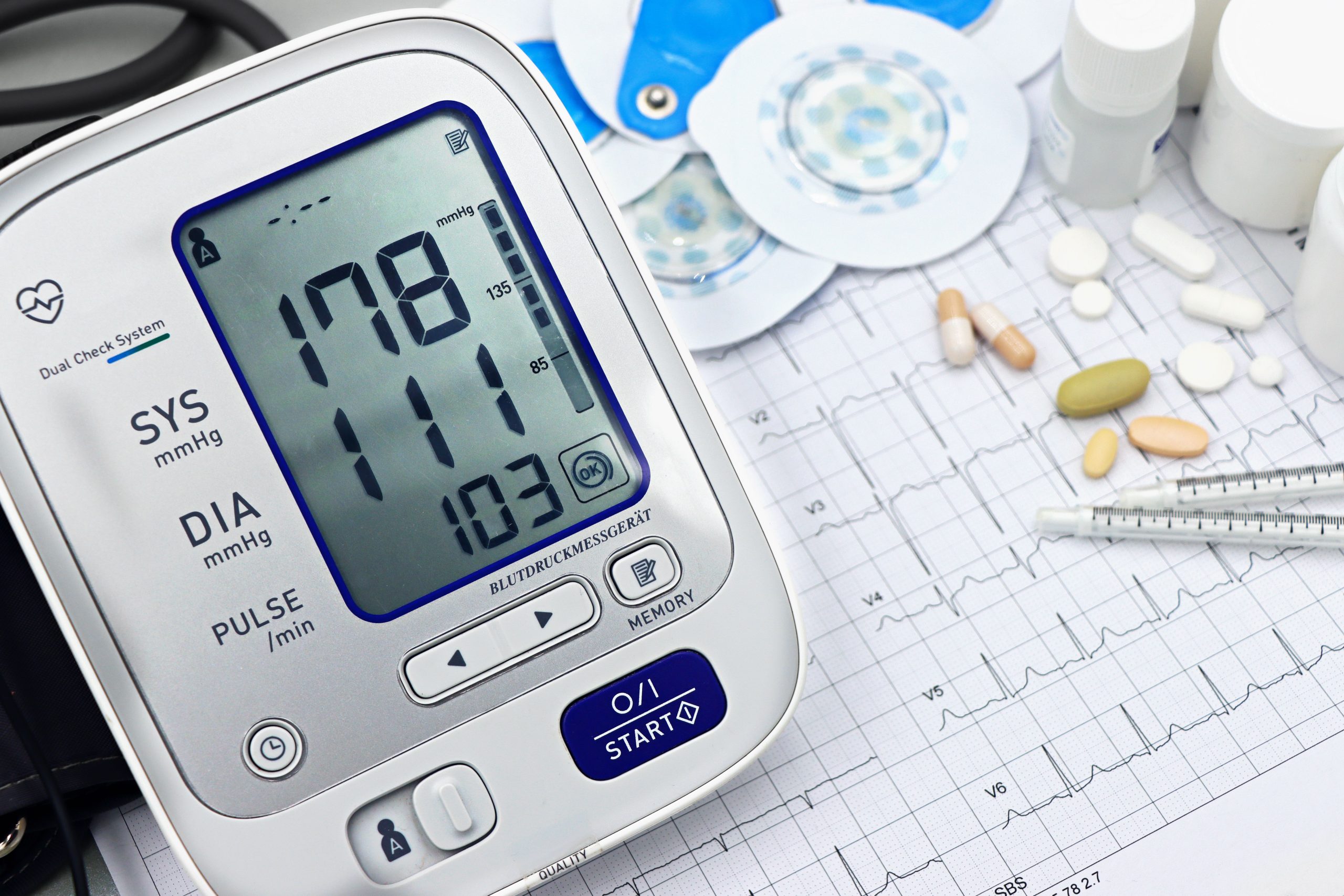
What you eat every day can play an important role in managing high blood pressure. Some familiar foods contain far more sodium, added sugar or unhealthy fats than you might expect. Packaged snacks, processed meats, pickles, instant noodles, salty sauces and restaurant meals are common examples. Eating them frequently can make it harder to keep blood pressure within a healthy range. The good news is that you do not have to give up flavorful meals completely. By identifying the foods worth limiting and choosing fresh, minimally processed alternatives, you can make your everyday diet more supportive of heart health. This guide covers foods to avoid for high blood pressure.
Foods to Avoid for High Blood Pressure
“Limit” is usually more realistic than “never eat.” Many foods can fit into a balanced diet when eaten occasionally and prepared with less salt.
1. Processed and cured meats
Sausages, salami, bacon, luncheon meat and other processed meats can contain substantial amounts of sodium. They may also be high in saturated fat, depending on the product.
For regular meals, choose fresh chicken, fish, eggs, beans or lentils instead. If you buy packaged meat, check the nutrition label rather than assuming a small serving contains little sodium.
2. Instant noodles and ready-to-eat meals
Instant noodles are convenient, but the seasoning packet can contribute a large amount of sodium. Ready-to-eat rice dishes, packaged pasta, frozen meals and other convenience foods can have the same issue.
You can make a more blood-pressure-friendly version at home using plain noodles or rice, fresh vegetables and a homemade seasoning mix. Use only a small amount of the packaged seasoning when you do eat instant noodles.
3. Namkeen, chips and salty snacks
Namkeen, bhujia, salted peanuts, chips, crackers and similar snacks can quickly increase sodium intake because they are easy to eat in large portions.
Instead, try unsalted nuts, fresh fruit, roasted chickpeas without added salt or homemade snacks prepared with herbs and spices. The goal is not simply to find a “healthier snack,” but to reduce the amount of sodium you consume throughout the day.
4. Pickles, papad and other preserved foods
Pickles and papad can be part of traditional meals, but many varieties contain considerable amounts of salt. Brined or heavily preserved foods can also add sodium without making the meal seem particularly salty.
You do not necessarily have to remove them completely. Smaller portions and less frequent consumption can make a difference, especially if the rest of your meals are already salty.
5. Canned soups, stock cubes and packaged broths
Canned soups, instant soup mixes, stock cubes and packaged broths are often made with salt as a key ingredient. Using several of these products in one meal can push sodium intake much higher.
When possible, prepare soup, dal or broth at home and control the amount of salt yourself. Herbs, garlic, ginger, lemon, black pepper and other spices can add flavor without relying entirely on salt.
6. Restaurant and fast-food meals
Restaurant food can be difficult to judge because you may not know how much salt, sauce, butter or other ingredients were used during cooking.
Gravies, fried foods, noodles, pizza, burgers and heavily seasoned dishes can all contribute substantial sodium and saturated fat. When eating out, ask for less salt and request sauces or dressings separately when possible.
7. Salty sauces and condiments
Soy sauce, packaged chutneys, ketchup, bottled dressings, chili sauces and other condiments can contain hidden sodium. A small amount may not seem significant, but several sauces used together can add up.
Instead of automatically adding sauce to every meal, use fresh lemon or lime, garlic, herbs and spices for flavor. If you use a packaged condiment, compare labels and choose a lower-sodium option when available.
8. White bread and packaged bakery foods
Bread may not taste very salty, but it can still contribute to daily sodium intake because people often eat it regularly. Packaged buns, wraps, rolls and other bakery products may also contain added salt.
Look at the nutrition label and serving size. When choosing grains, whole-grain bread, oats, brown rice and other minimally processed options can provide more fiber and fit well within a heart-healthy eating pattern.
9. Foods high in saturated and trans fats
Fat itself is not something you need to eliminate. The bigger concern is regularly eating foods high in saturated or trans fats, particularly when they replace healthier unsaturated fats.
Fatty processed meats, deep-fried foods, commercially baked products and foods made with certain solid fats are better kept occasional. Choose fish, beans, nuts, seeds and plant-based oils more often.
10. Sugary drinks and high-sugar foods
Soft drinks, sweetened juices, energy drinks, desserts and other foods high in added sugar do not usually cause high blood pressure from one serving. However, regularly consuming large amounts of added sugar can contribute to excess calorie intake, weight gain and poorer cardiovascular health.
Water, unsweetened tea and other low-sugar drinks are better everyday choices. Whole fruit is also preferable to sugary drinks because it provides fiber along with its natural sweetness.
11. Alcohol
Alcohol can affect blood pressure, particularly when consumed regularly or in larger amounts. If you drink, keeping consumption within recommended limits is important. If you do not drink, there is no health reason to start.
People with hypertension should discuss alcohol intake with their healthcare professional, particularly if their blood pressure remains difficult to control.
12. Energy drinks and excessive caffeine
Caffeine can temporarily raise blood pressure in some people. Energy drinks may be an additional concern because they can contain high amounts of caffeine and added sugar.
You do not automatically need to eliminate coffee or tea. If you notice that your blood pressure increases after caffeine, discuss your intake with a healthcare professional and consider reducing the amount.
How Much Sodium Should You Have With High Blood Pressure?
Sodium is one of the most important nutrients to monitor when managing hypertension. The World Health Organization recommends that adults consume less than 2,000 mg of sodium per day, equivalent to less than 5 grams of salt. The DASH eating plan commonly uses a target of 2,300 mg of sodium per day, while reducing it to 1,500 mg may lower blood pressure even further.
Remember that sodium and salt are not the same thing. Sodium is a component of salt, and sodium can also appear in foods through ingredients such as sauces, preservatives and seasoning mixes.
If your doctor has given you a specific sodium limit, follow that recommendation rather than using a general target.
How to Find Hidden Sodium in Your Food
The salt shaker is not the only source of sodium. Much of the sodium people consume comes from packaged and restaurant foods.
When checking a nutrition label:
- Look at sodium per serving, not just per package.
- Check how many servings you actually eat.
- Compare similar products and choose lower-sodium options.
- Watch for sauces, seasoning mixes and prepared ingredients.
- Do not assume a food is low in sodium simply because it does not taste very salty.
This is particularly useful for bread, noodles, canned foods, snacks and condiments.
What Can You Eat Instead?
Instead of focusing only on foods to avoid for high blood pressure, build meals around foods that naturally contain less sodium and provide important nutrients.
A simple plate can include vegetables, whole grains or plain rice, beans or lentils, fish or skinless chicken, and a small amount of healthy fat. Fruits, vegetables, nuts, seeds and low-fat dairy can also fit into a DASH-style eating pattern.
| Instead of | Try more often |
| Instant noodles | Plain noodles with vegetables |
| Namkeen or chips | Unsalted nuts or roasted chickpeas |
| Salty pickle | Fresh salad with lemon |
| Processed meat | Fresh fish or chicken |
| Packaged soup | Homemade vegetable or lentil soup |
| Salty sauces | Lemon, herbs and spices |
| Fried snacks | Fresh fruit or homemade low-salt snacks |
Plain rice, potatoes, eggs and bananas do not automatically need to be removed from your diet. What matters is the overall meal, preparation method and amount of added salt or unhealthy fat.
Simple Ways to Make Your Diet More Blood-Pressure Friendly
You can make changes without completely changing the way you eat. Cook at home more often so you can control the amount of salt. Use garlic, ginger, coriander, cumin, black pepper, chili, lemon and other spices to add flavor. Choose fresh or minimally processed ingredients when possible.
At restaurants, ask for less salt and request sauces separately. For packaged foods, compare nutrition labels before buying. These small decisions can reduce your overall sodium intake without making meals feel restrictive.
The most useful approach to foods to avoid for high blood pressure is therefore not to create a huge forbidden-food list. It is to identify the foods you eat frequently that are highest in sodium, added sugar or unhealthy fats and replace them with better everyday options.
Do You Have to Completely Avoid These Foods?
Usually, no. Having high blood pressure does not mean you can never eat a favorite snack, restaurant meal or traditional food again.
Frequency and portion size matter. A food that is high in sodium may be reasonable occasionally, while eating it several times a day can make sodium intake much harder to control.
If your blood pressure is significantly elevated, or you have kidney disease, heart failure, diabetes or take medicines that affect sodium or potassium levels, your dietary needs may be different. Personalized advice from a healthcare professional is more appropriate in those situations.
Wrapping Up
Knowing the foods to avoid for high blood pressure is mainly about recognizing where excess sodium, unhealthy fats and added sugar enter your regular diet. You do not need to eliminate every familiar food. Start by cutting back on processed meats, salty snacks, instant foods, pickles, packaged sauces and heavily salted restaurant meals.
Build more meals around vegetables, fruits, whole grains, beans, lentils, fish, lean proteins and minimally processed foods. Combined with other healthy lifestyle habits and any treatment prescribed by your healthcare professional, these dietary changes can support better blood pressure management and long-term cardiovascular health.
FAQs
Q1. What are the worst foods for high blood pressure?
The best answer to “what are the foods to avoid for high blood pressure?” is foods that are consistently high in sodium, saturated fat or added sugar. Processed meats, salty snacks, instant noodles, pickles, packaged soups, restaurant meals and salty sauces are common examples.
Q2. Can I eat rice if I have high blood pressure?
Yes. Plain rice can be part of a balanced diet. Pay more attention to the amount of salt, sauces, fried ingredients and highly processed foods served alongside it.
Q3. Are eggs bad for high blood pressure?
Eggs can fit into a heart-healthy diet. Preparation matters, so avoid regularly pairing them with heavily salted processed meats or large amounts of saturated fat.
Q4. Can I eat bananas?
Yes. Bananas are naturally rich in potassium, which is an important nutrient in a balanced diet. However, people with kidney disease or certain medical conditions may need to limit potassium, so personalized medical advice is important.
Q5. Is bread okay?
Bread can be eaten, but check the sodium content because it can contribute to daily intake when consumed frequently. Whole-grain options can also provide more fiber.